1. Introduction
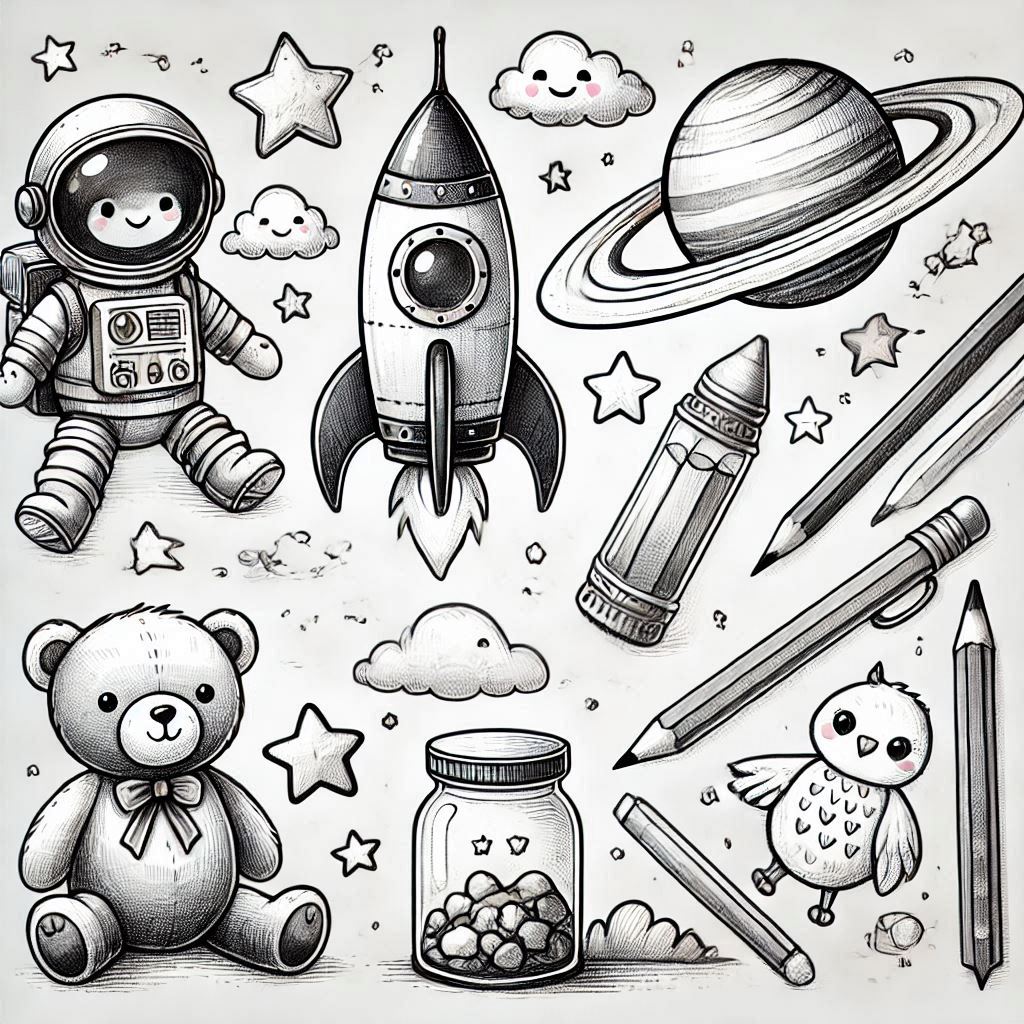
Pencil drawing is one of the simplest and most rewarding ways for kids to explore their creativity. Whether it’s doodling shapes, sketching cute animals, or shading scenery, pencil drawing is perfect for kids of all ages. This guide will show you how to make drawing fun and engaging for your little ones. From easy projects to advanced tips, we’ve got you covered. So, let’s dive into the world of Drawing Kids, Drawing For Kids, and Easy Drawing For Kids!
2. Benefits of Pencil Drawing for Kids
2.1 Boosts Creativity
Pencil drawing encourages kids to think outside the box, helping them express their thoughts and ideas visually. It’s a great way for children to unleash their imagination and create unique art.
2.2 Improves Motor Skills
By drawing, kids develop fine motor skills and hand-eye coordination. This improvement aids not only in art but also in writing and other daily tasks.
2.3 Affordable and Accessible
All you need is a pencil and some paper, making it one of the most budget-friendly hobbies for kids. It’s an activity that anyone can start without investing in expensive materials.
2.4 Encourages Focus and Patience
Drawing requires concentration and persistence. As children learn to complete their projects, they develop patience and a sense of accomplishment.
By fostering these skills, pencil drawing supports your child’s overall development. Pencil art for beginners is also an excellent gateway to other forms of art.
3. Essential Materials for Pencil Drawing
3.1 Basic Tools
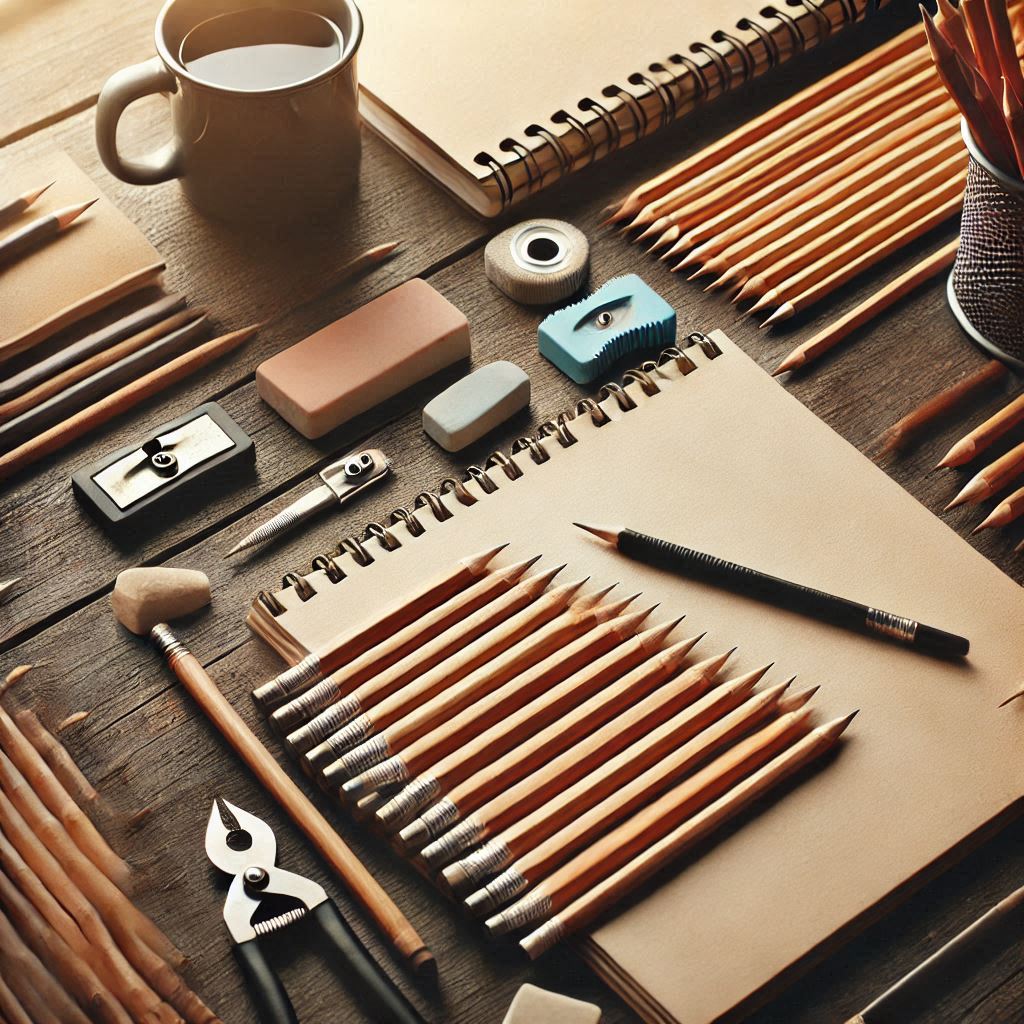
To get started with pencil drawing, make sure you have these essentials:
- Graphite Pencils: Choose HB and 2B pencils for light and dark shading.
- Erasers: A good eraser, like a kneaded eraser, helps correct mistakes and add highlights.
- Sketch Paper: Thick paper is ideal for better durability and texture.
3.2 Optional Extras
While not necessary, these tools can enhance your child’s drawing experience:
- Colored Pencils: Add vibrant touches to their artwork.
- Blending Stumps: Perfect for smooth shading and gradients.
- Pencil Sharpeners: Ensure a sharp tip for precise details.
Using the right tools will make the process more enjoyable for young artists. If you’re unsure, look for the best pencils for kids to start with.
4. Step-by-Step Fun Pencil Drawing Projects
4.1 Project 1: Simple Shapes and Lines
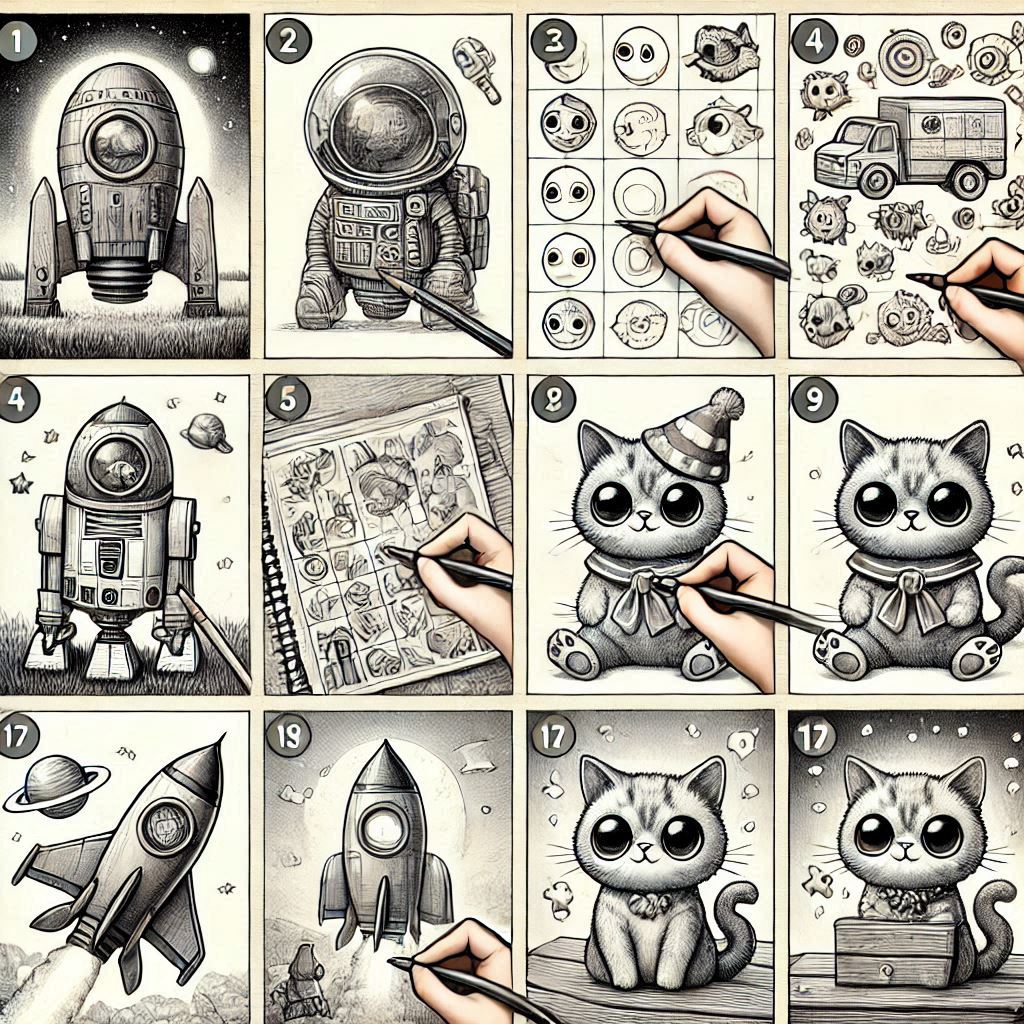
Start with the basics—lines, circles, and triangles. These fundamental shapes form the foundation of more complex drawings. For example:
- Combine circles and lines to create a smiling sun.
- Use triangles and rectangles to draw a simple house.
4.2 Project 2: Drawing Cute Animals
Guide your child to draw adorable animals using simple steps:
- Start with basic shapes like ovals for the body and circles for the head.
- Add details like ears, tails, and eyes to create animals like cats, dogs, or birds.
- Keep the process fun and easy to follow.
4.3 Project 3: Creative Scenery
Introduce your kids to shading techniques by drawing scenery:
- Teach them to create a sunset by blending colors and adding silhouettes of trees.
- Show how to sketch a rainbow with smooth transitions between colors.
These step-by-step drawing tutorials ensure that kids stay engaged and confident throughout their creative process.
5. Tips for Parents and Teachers
5.1 Encourage Regular Practice
Set aside specific times for drawing sessions to build consistency. Practice helps improve skills and boosts confidence.
5.2 Keep It Stress-Free
Avoid pressuring kids to make their drawings perfect. Emphasize the joy of creation rather than focusing on the outcome.
5.3 Discover More Ideas on Pinterest
Looking for inspiration and easy-to-follow ideas? Check out our Easy Drawing For Kids Pinterest board! It’s filled with engaging projects, step-by-step guides, and creative tips to make drawing fun and simple for children. Whether your little one is just starting or looking for new challenges, our Pinterest page has everything you need to spark their artistic journey.
6. Common Mistakes to Avoid in Pencil Drawing
6.1 Overcomplicating Projects
Start with simple designs appropriate for your child’s skill level. Avoid overwhelming them with complex details.
6.2 Using Inappropriate Tools
Choose tools suited for kids’ small hands. Lightweight pencils and thick sketch paper are excellent choices.
6.3 Skipping Basics
Ensure children master foundational techniques like drawing lines, shapes, and shading before moving to advanced levels.
7. Advanced Tips: Making Pencil Drawings Pop
7.1 Shading and Blending
Teach your child to create smooth gradients by blending pencil strokes with a blending stump or their fingers. Shading adds depth and dimension to their drawings.
7.2 Textures
Introduce textures like fur, grass, or wood using varied strokes. For example, short, quick lines can mimic fur on an animal.
7.3 Layering Techniques
Encourage layering pencil strokes to achieve richer, more dynamic drawings. Lightly layer multiple colors or shades for a realistic effect.
These shading techniques for kids will elevate their drawings and spark excitement.
8. Conclusion
Pencil drawing is a fantastic way to nurture your child’s creativity and skillset. With the right tools, projects, and guidance, kids can enjoy endless hours of artistic fun. So, grab some pencils, pick a project, and let the creativity flow! Don’t forget to share your kids’ creations and encourage others to start their own drawing journey.
9. FAQs About Pencil Drawing for Kids
9.1 What age is best to start pencil drawing?
Children as young as 3 can start with basic shapes and lines, progressing as their coordination improves.
9.2 How much time should kids spend drawing daily?
Even 15-20 minutes a day can make a big difference in their skills and creativity.
9.3 Are there specific pencils recommended for beginners?
Yes, start with HB pencils for basic sketching and add softer grades (2B, 4B) for shading as they progress.
 Easy Drawing For Kids
Leave a comment